Technical Designer
Overview
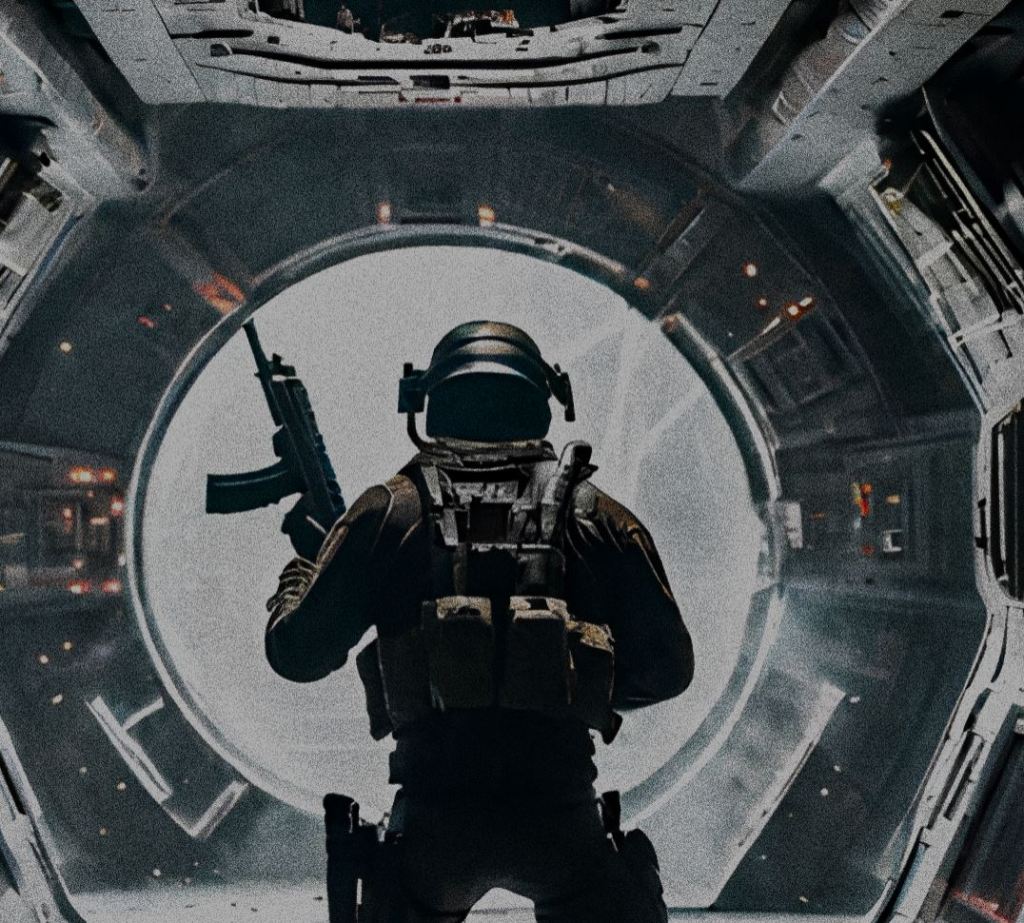
Designed and developed a new VR co-op multiplayer game alongside a team of 10+ developers.
During my time at the company I worked as a Technical Designer collaborating with the lead game designer, engineers and artists of the studio. After a couple of days of setting up my workspace, I immediately jumped into developing the new project of the studio. One of my first responsibilities was setting up design documents and migrating reusable assets from a previous project.
My main responsibilities in the studio were were based around supporting engineers and artists by creating the proper design documentation for things like game mechanics, AI Enemies and Items. Besides that my focus was on prototyping and implementing unique VR Character interactions with Items and the environment. And also, supporting the Technical Director with the creation of a Procedural Content Generation tool by using this tool and designing new levels.
This being a small independent studio I had my main responsibilities but also it was important to adapt and learn how to do a bit of everything, from programming, to project management. Collaborating and communicating with each team member is key to a successful milestone.
Company:
Dirty Pearl Studios (learn more here)
Roles:
Technical Designer
Platforms:
PC, Meta Quest
Tools Used:
Unreal Engine
Miro (Design Management)
Perforce (Version Control)
Confluence (Documentation)
Jira (Project Management)
Duration:
2024 – Present
Team Size:
10+ Developers
Virtual Reality unique design
This being a VR project it poses the unique challenge of interactions being very different from a regular Flat game.
Online Multiplayer Environment
Collaborated very closely with the Backend Engineers to implement an interface that allows for the VR experience to be more social.
Design Documentation
It was really important to come up with a template for the creation of documentation for Engineers and Artists when creating new AI enemies and Items. In this documented it was included all the elements engineers and artists needed to know.
Cross-Team Collaboration
Communication is just as important in small dev teams. There are situations where sometimes the design is not clear or there could be out-of-scope issues that are easily solved by just reaching out to team members.
My Role & Ownerships
Virtual Reality unique interactions
Converting traditional game mechanics into VR
This project being in VR posed unique challenges that are usually not present in Flat games.
- 3D Menu
One of the crucial aspects of VR that a lot of games ignore is to not only immerse The Player during gameplay but when they use the menus as well. So the challenge was coming up with a menu that is more than a simple point and click interaction.
The final result was more like a simple physical puzzle with action feedback that made The Player feel like they were actually using a device or tool from this new VR world. - Gameplay Ability System
To create unique interactions that have an effect on The Player and also the AI Enemies, I used the existing GAS Framework from Epic Games. This allowed the design and implementation of Gameplay Effects such as damage and heal that could be use in any Items or AI Enemies.
Then, I would move on to create the unique VR interaction such as recharging a device by pulling a rope multiple times or by eating food in order to heal.
Procedural Content Generation (PCG)
A combination of automation with handcrafted design.
The challenge of this project was to create enough levels to avoid the feel of repetition.
So, how can we generate high quality levels that are engaging and support the design of the game? How can we make 1 level in just a couple of minutes, instead of taking weeks just to make 1?
For this issue I worked alongside the Technical Director to develop a Procedural Content Generation tool that allows for the automatic creation of the level, while using handcrafted elements that can be used during automated building or after the automation build is done.
This basically combines the best of both worlds:
Automation that speeds up development of a single level significantly, from spending days to have a block out to just minutes.
Level design that can be done before generation and also after generation to fine tune the already generated level and contents.
 Leonardo Ramírez | UNREAL ENGINE TECHNICAL DESIGNER