Technical Designer
Overview (click here to go to Meta Store page)
Designed and developed a new VR co-op horror extraction game alongside a team of 10+ developers.
During my time at the company I worked as a Technical Designer collaborating with the lead game designer, engineers and artists of the studio.
My main responsibility was design the concept, documents and guidelines for the AI Enemies that had the objective of hunting the players inside the playable level. Besides AI Enemies, also worked on the design and implementation of Items and Abilities using Unreal Engines’ Gameplay Ability System (GAS)
Also, supported the Technical Director with the creation of the Procedural Content Generation tool (PCG) and using this tool to design and generate new levels.
This being a small independent studio I had my main responsibilities but also it was important to adapt and learn how to do a bit of everything, from programming, to project management. Collaborating and communicating with each team member is key to a successful milestone.
Company:
Dirty Pearl Studios (learn more here)
Roles:
Technical Designer
Platforms:
PC, Meta Quest
Tools Used:
Unreal Engine
Miro (Design Management)
Perforce (Version Control)
Confluence (Documentation)
Jira (Project Management)
Duration:
2024 – 2026
Team Size:
10+ Developers
Designing AI Enemies
It was very important to design enemies that would give the Players a good experience in VR as well as making looting and extracting challenging.
Online Multiplayer Environment
Collaborated very closely with the Backend Engineers to implement an interface that allows for the VR experience to be more social.
Design Documentation and Team Collaboration
In order to make a game that is as closest to the design vision, the creation of a comprehensive documentation is important. If the documents are not clear enough, reaching out to team members to clear up design choices and out-of-scope issues is also great.
Procedural Content Gen and reusable tools
For the tight deadlines that we had, it was important that each sprint we worked faster than the previous one. This means developing tools such as a reusable Ability System and a tool that allows us to create levels faster was important to design and implement.
My Role & Ownerships
Designing engaging AI Enemies
Creating unique AI interactions in Virtual Reality.
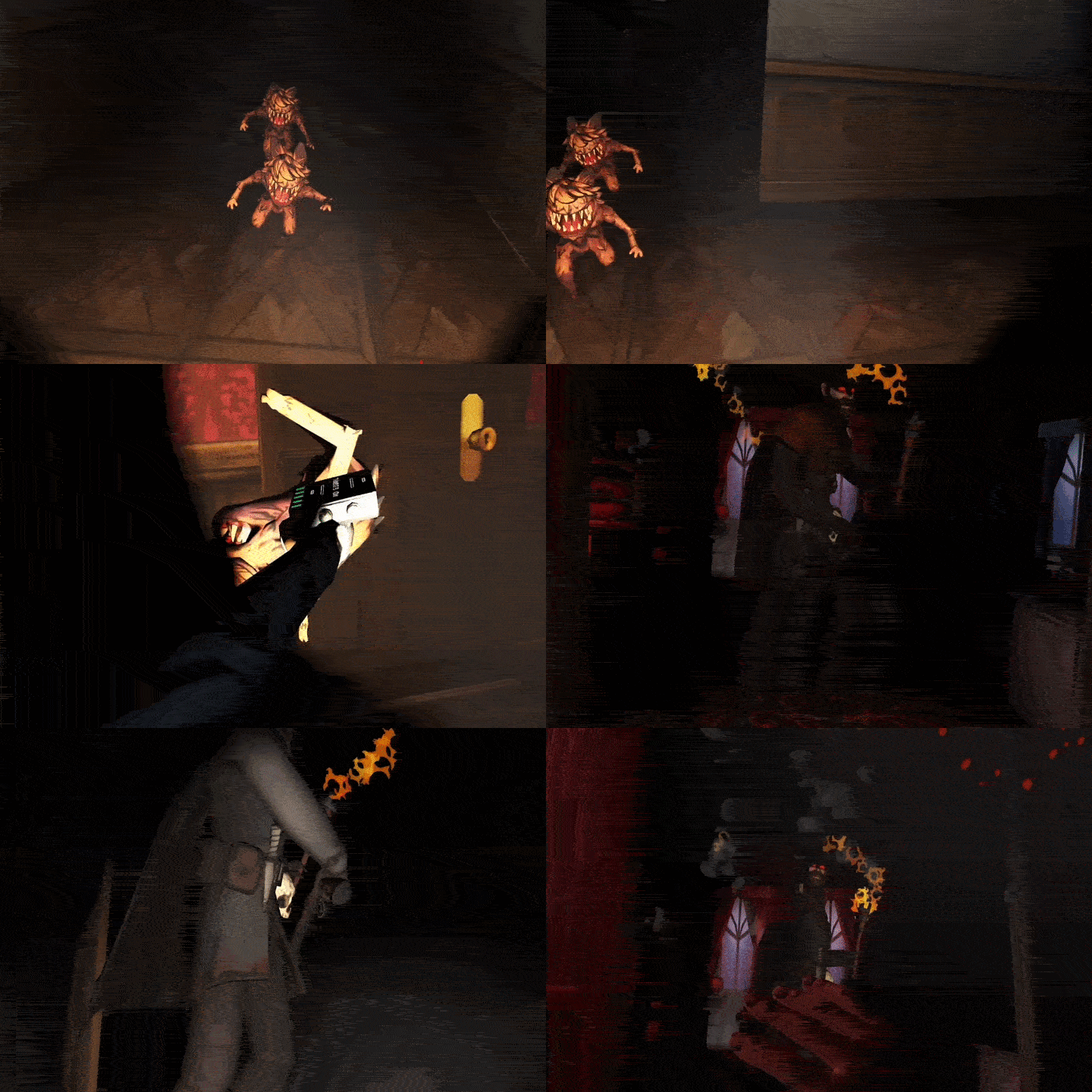
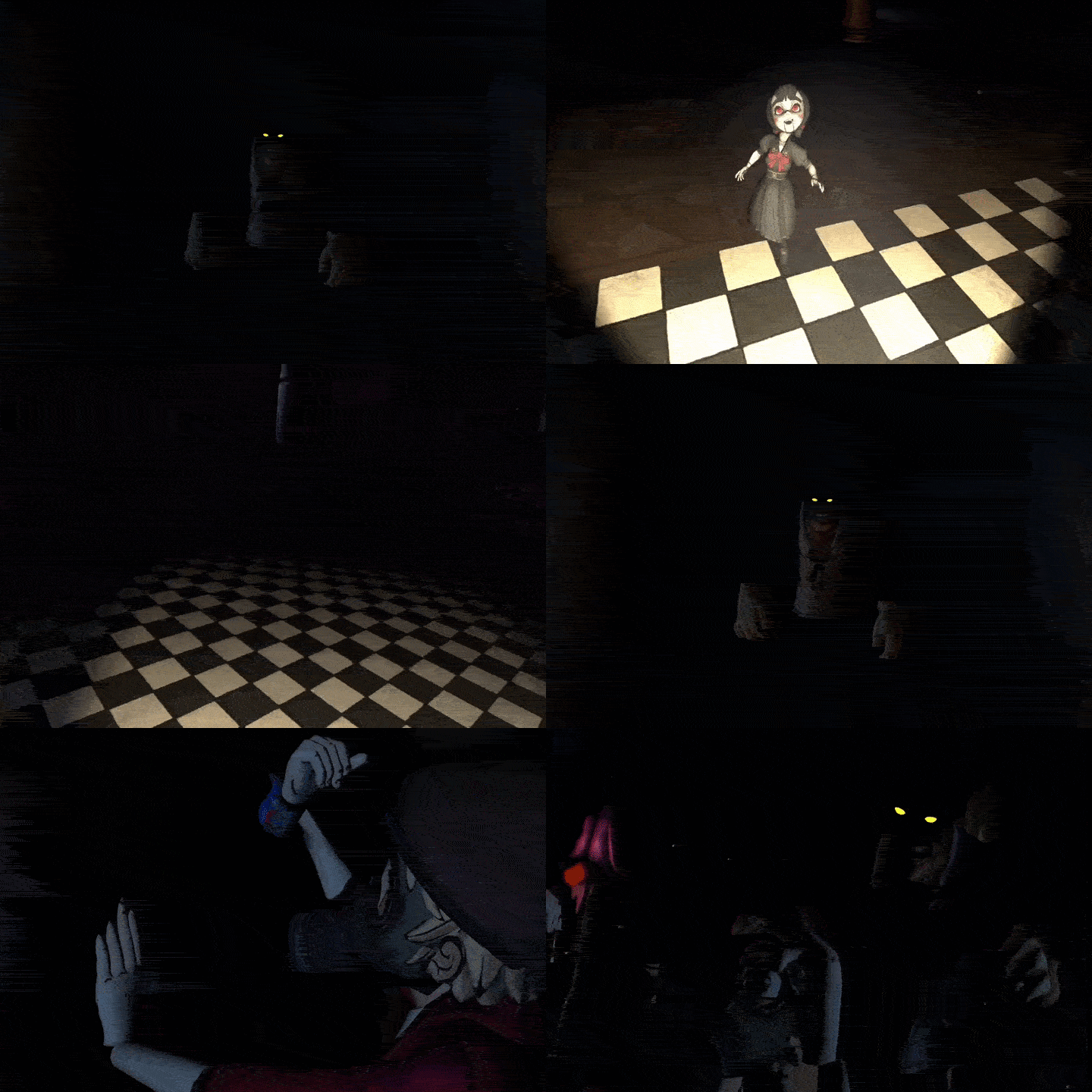
The design goal of the AI Enemies, called “Minions” in this game was to use the stealth mechanics implemented for the Player to add high stakes intensity when hiding. Players were not allowed to fight back in direct combat.
- Different types of enemies for different situations
Variety in the Minions was key. During my time in this project I created the design of multiple Minions, you can see them in the images on the left and also in the trailers. I designed each Minion specifically to create a unique situation for The Player. For example, a giant and slow moving Minion that wander around the environment, but as soon as a Player is spotted it will run at them at high speed displacing them through the environment. Another type of AI Enemy Interaction is the little monsters that attack in group and attach to your body, debilitating the Player, you would need to look at your body grab them and throw them away or get help from a teammate. - Enemy AI Spawn System
A Spawn System needed to be created to direct the pacing of the match. At the start there will be no enemies in the level. But after a certain amount of seconds, the first enemy, spawned randomly from a pool will spawn and as time progresses more enemies will spawn. Also, the enemies were categorized with a difficulty setting. Easier enemies would spawn first and the most dangerous enemies would spawn at later stages of the match.
Procedural Content Generation (PCG)
A combination of automation with handcrafted design.
The challenge of this project was to create enough levels to avoid the feel of repetition.
So, how can we generate high quality levels that are engaging and support the design of the game? How can we make one level in just a couple of minutes, instead of taking weeks just to make one?
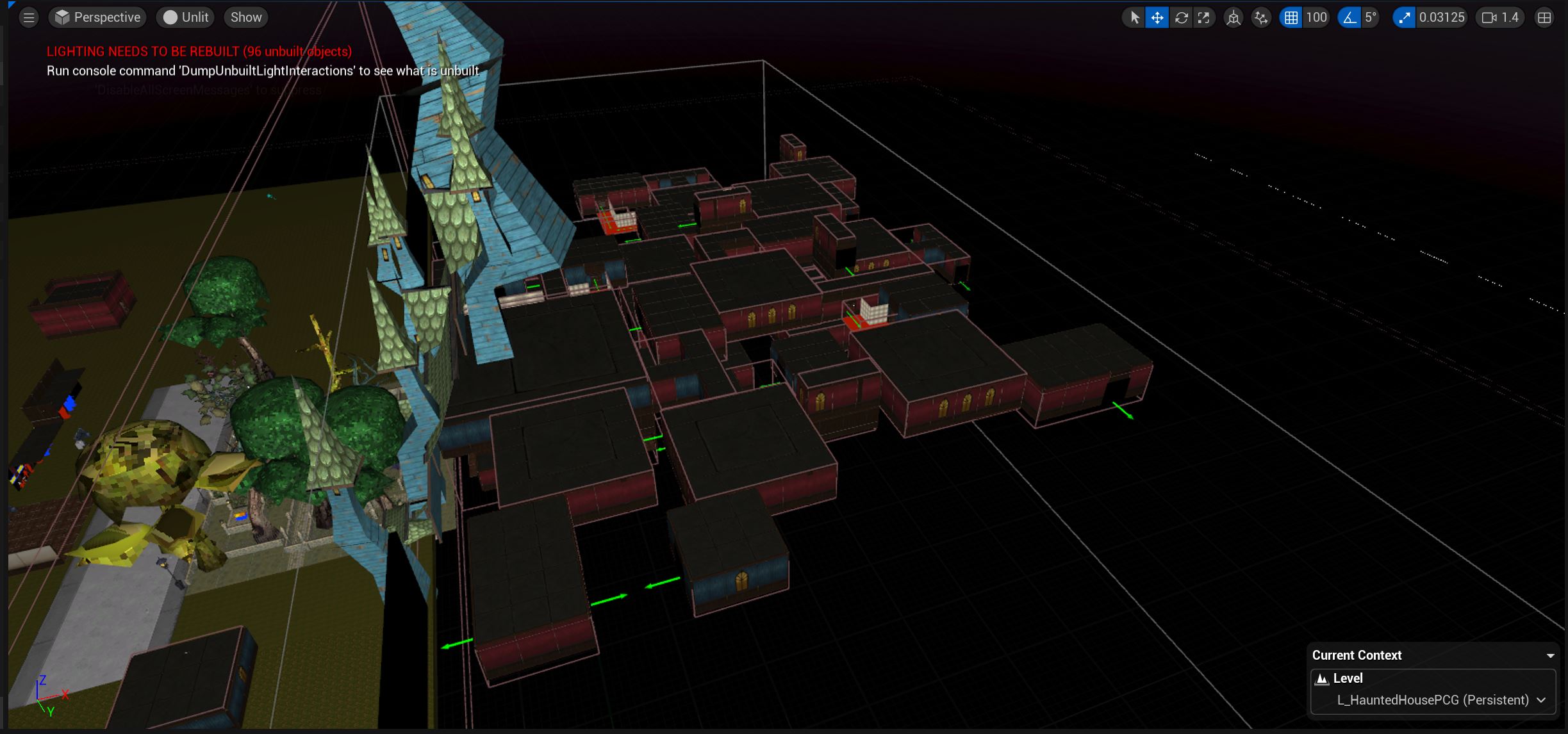
For this issue I worked alongside the Technical Director to develop a Procedural Content Generation tool that allows for the automatic creation of the level, while using handcrafted elements that can be used during automated building or after the automation build is done.
This basically combines the best of both worlds:
Automation that speeds up development of a single level significantly, from spending days to have a block out to just minutes.
Level design that can be done before generation and also after generation to fine tune the already generated level and contents.
Creating 3D tools to test VR Mechanics
Practical way of testing VR Interactions.
This project being in VR posed unique challenges that are usually not present in Flat games.
- Testing and Debugging
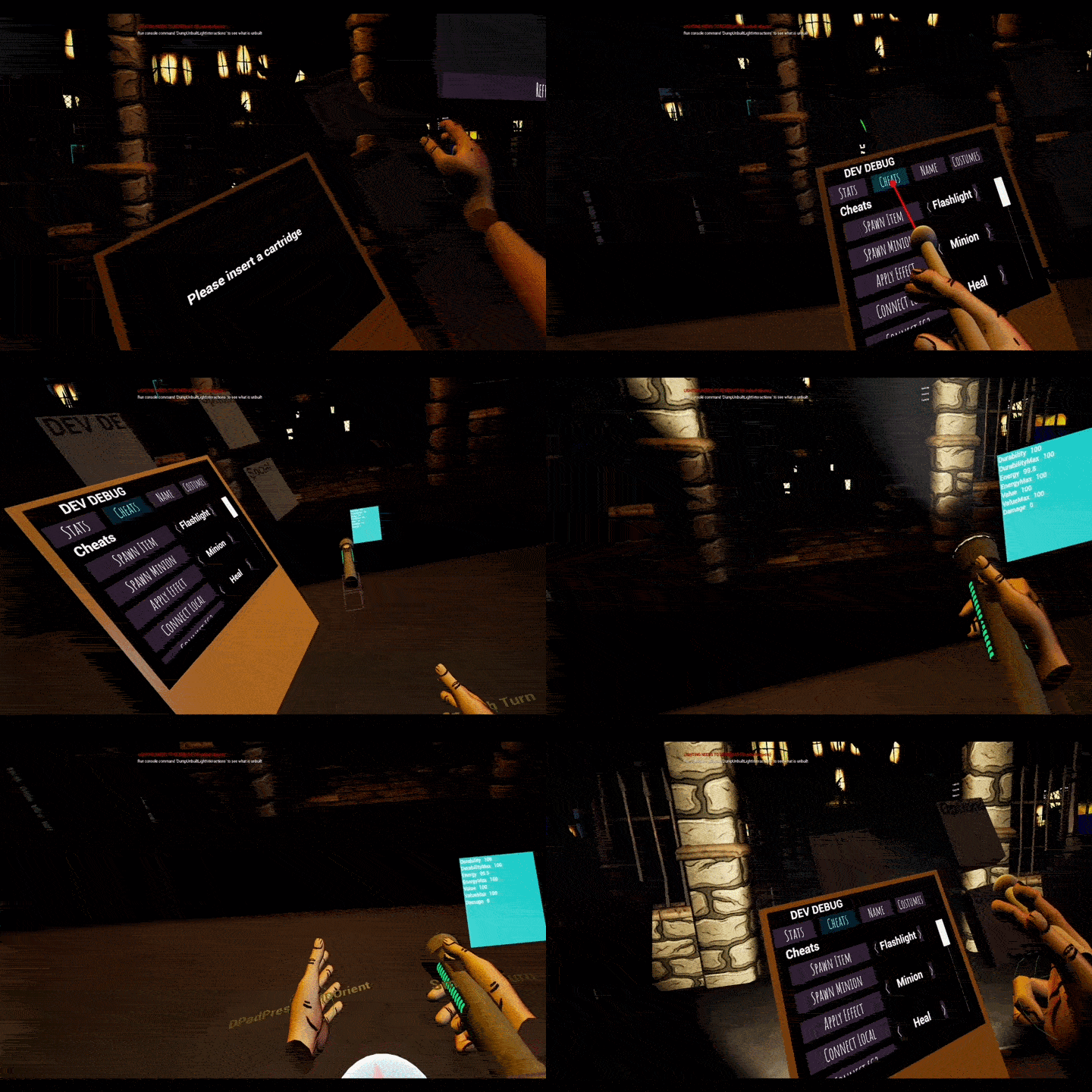
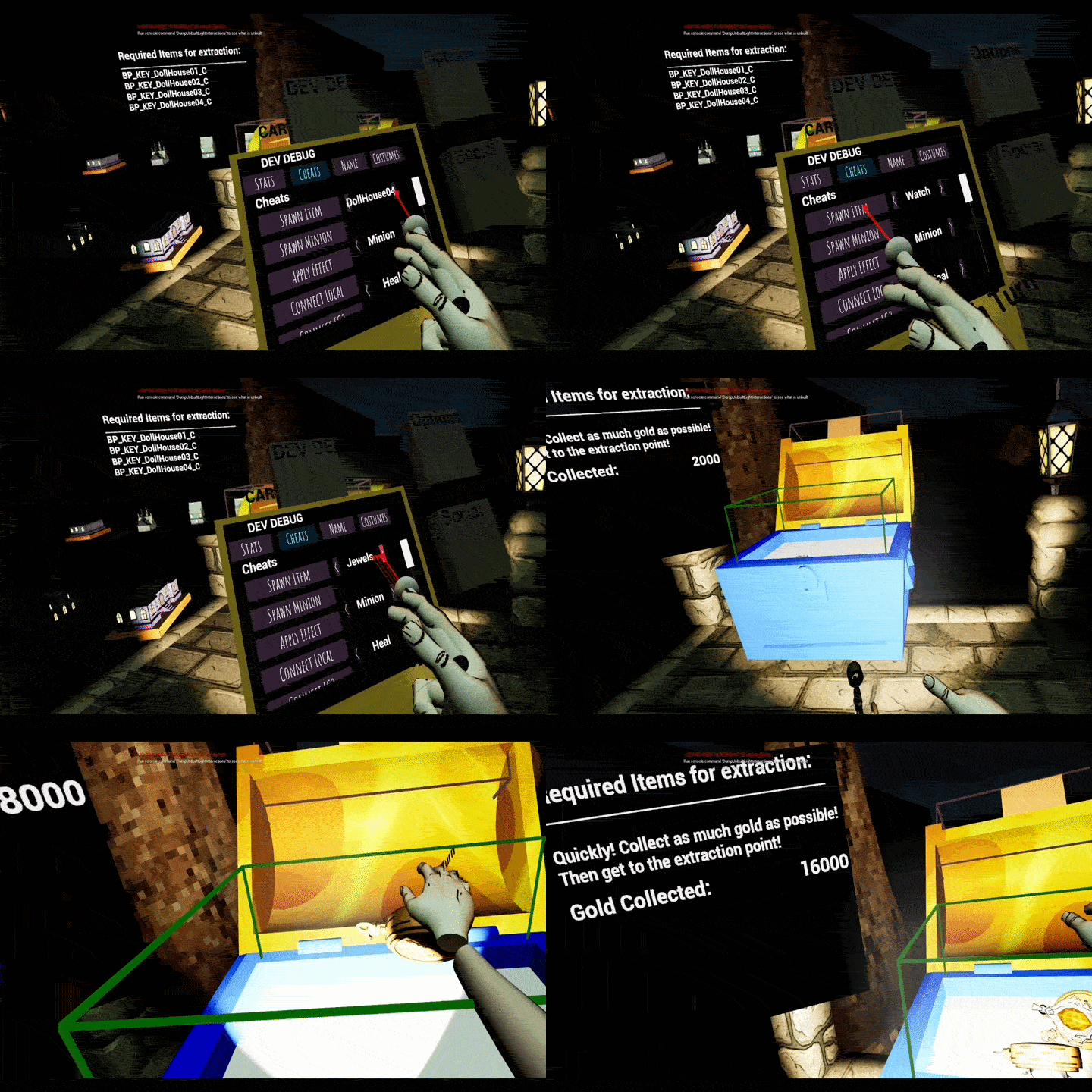
Creating mechanics is one thing but testing them in VR tends to be a bit more dificult. There’s no quick access to keyboards or command prompts, so I created new tools that needed to be in the 3D world to allow for a seamless testing environment. I created a Cheat Code system and a way we could manipulate AI Enemies, Abilities, Items and Cosmetics. - Modular UI System
In order for the debugging tools to work great, there needed to be a well implemented UI System where all the C++ and Blueprint classes were maintainable. Since the Widget System in Unreal comes on Client only by default it was also necessary to create support for Widget actions to interact with the server for either debugging or gameplay situations. That was my main goal when working with our UI System in collaboration with our backend engineers.
Other important features I worked on
Character Interaction using VR Hands
Worked on the Character Skeletal Mesh for the Hands specifically to create poses for each of the Items that the Player is able to grab. For example, The Flashlight needed a specific hand pose, the other treasures like the gold coin or jewels could use a generic hand poses.
Created Interactables Items and integrated them with GAS
Designed Interactable Items, created a list of all neccessary items for the game and implemented them inside Unreal Engine using Blueprints. With C++ I was able to make use of the Gamplay Ability System and add special abilities to Items. For example, The Flashlight when use would reduce your Fear Level.
Check out my other published games

Designed and created a template with reusable and modular systems and tools with the goal of creating full videogames and improve development time.
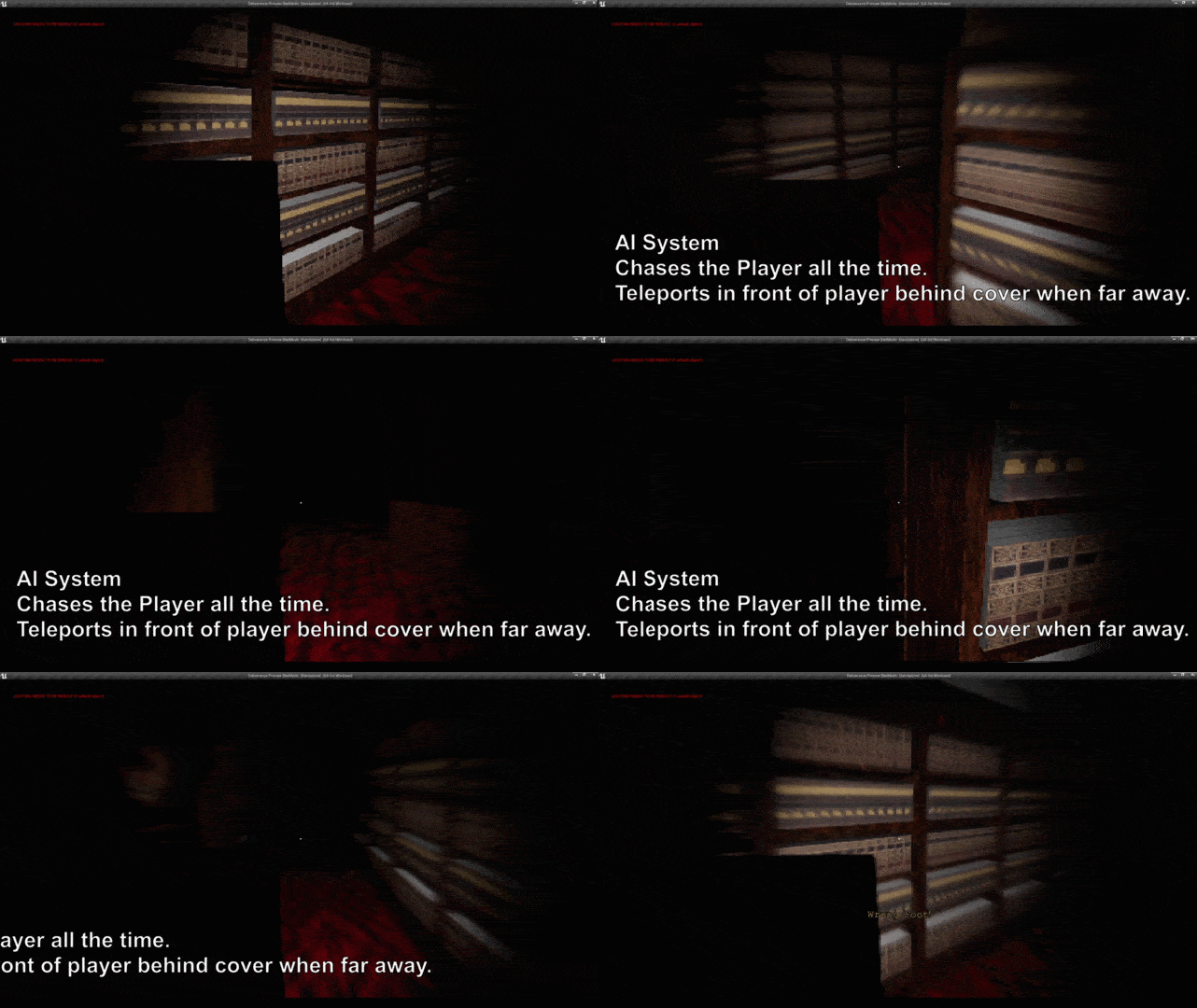
Co-designed and co-created the game called Deliverance, where the Player must deliver all books quickly while only being able to take 1 step at the time and avoid getting caught by the monster. +700 downloads.

